
深圳国际研究生院范远超团队合作在全球变暖与致命热应激研究方面取得新进展
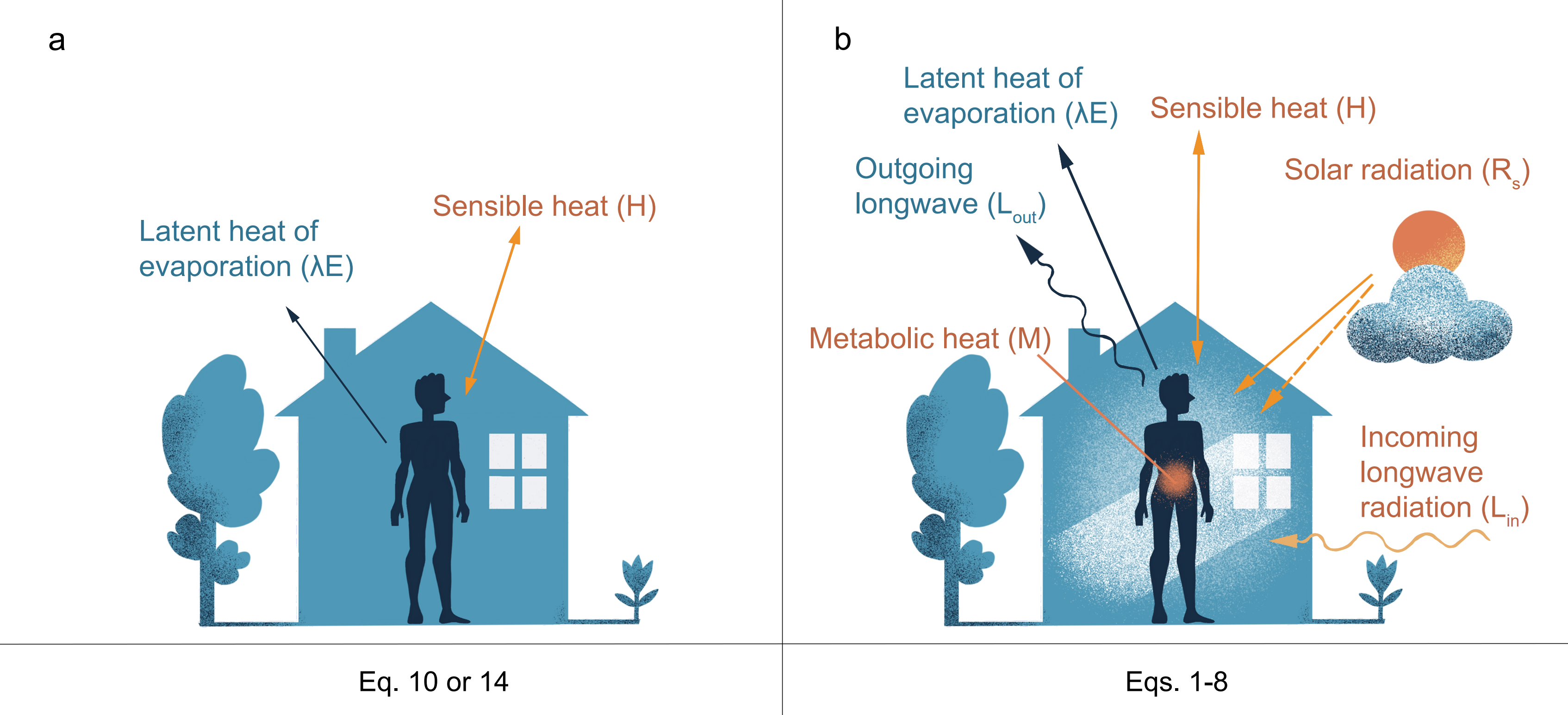
As global warming intensifies, extreme heat increasingly threatens human health. Uncompensable heat stress is a severe condition in which the body cannot dissipate heat fast enough to offset environmental heat gain.
Previous work mostly focused on indoor settings and assumed sunlight could be avoided, overlooking vulnerable groups such as farmers and people who must walk outdoors for water.
Recently, Yuanchao Fan’s team and collaborators at Tsinghua Shenzhen International Graduate School made an important breakthrough by quantifying, at the global scale, the effects of outdoor heat, humidity, radiation, and human physiology on heat stress.
The results show that tens of millions of people unable to avoid outdoor activity would face lethal heat-stress risk under 2°C warming, rising to hundreds of millions at 4°C.
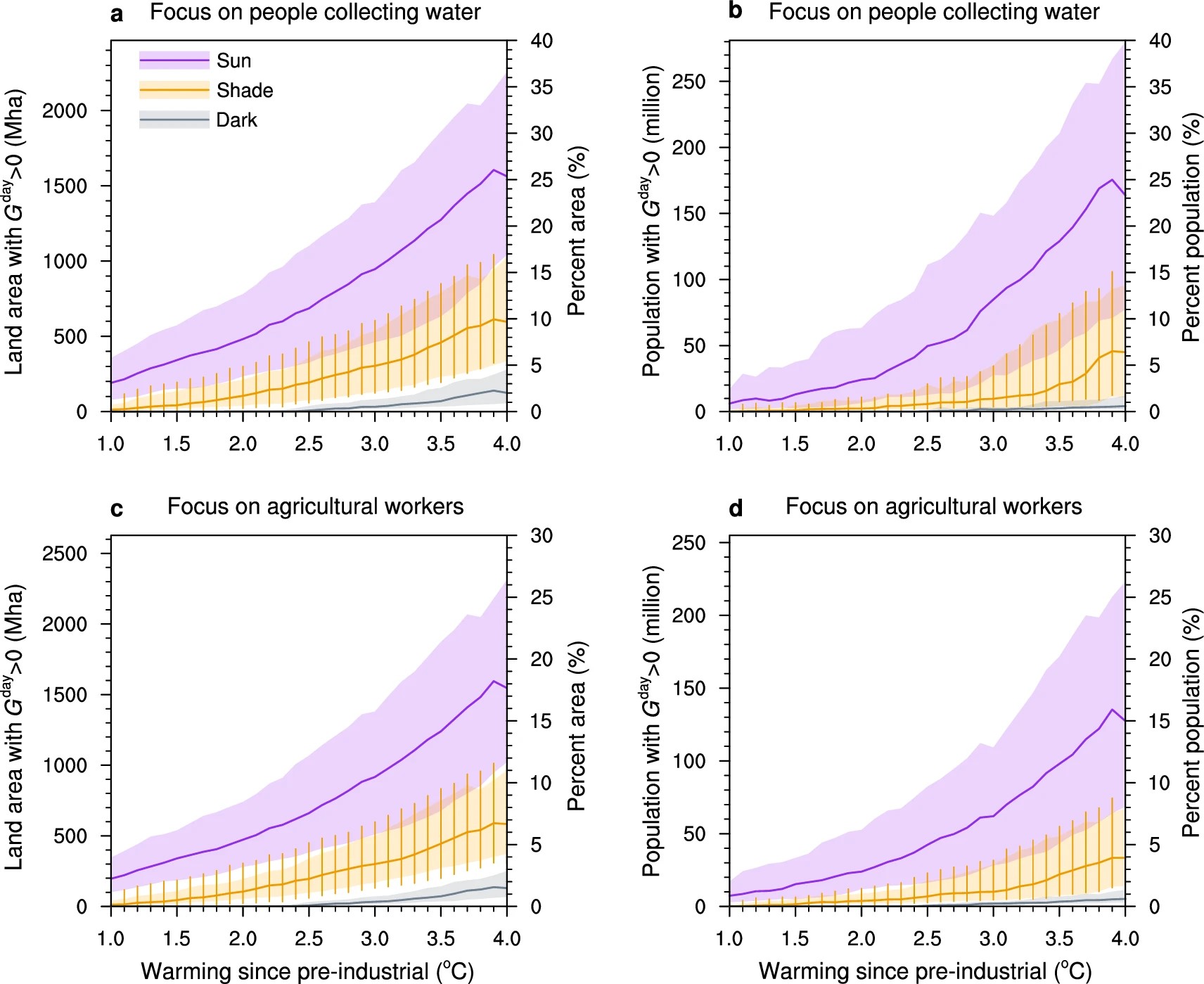
The team developed a precise yet simple human heat-response model that incorporates temperature, humidity, solar radiation, wind, and physiological constraints, driven by projections from 12 CMIP6 Earth system models.
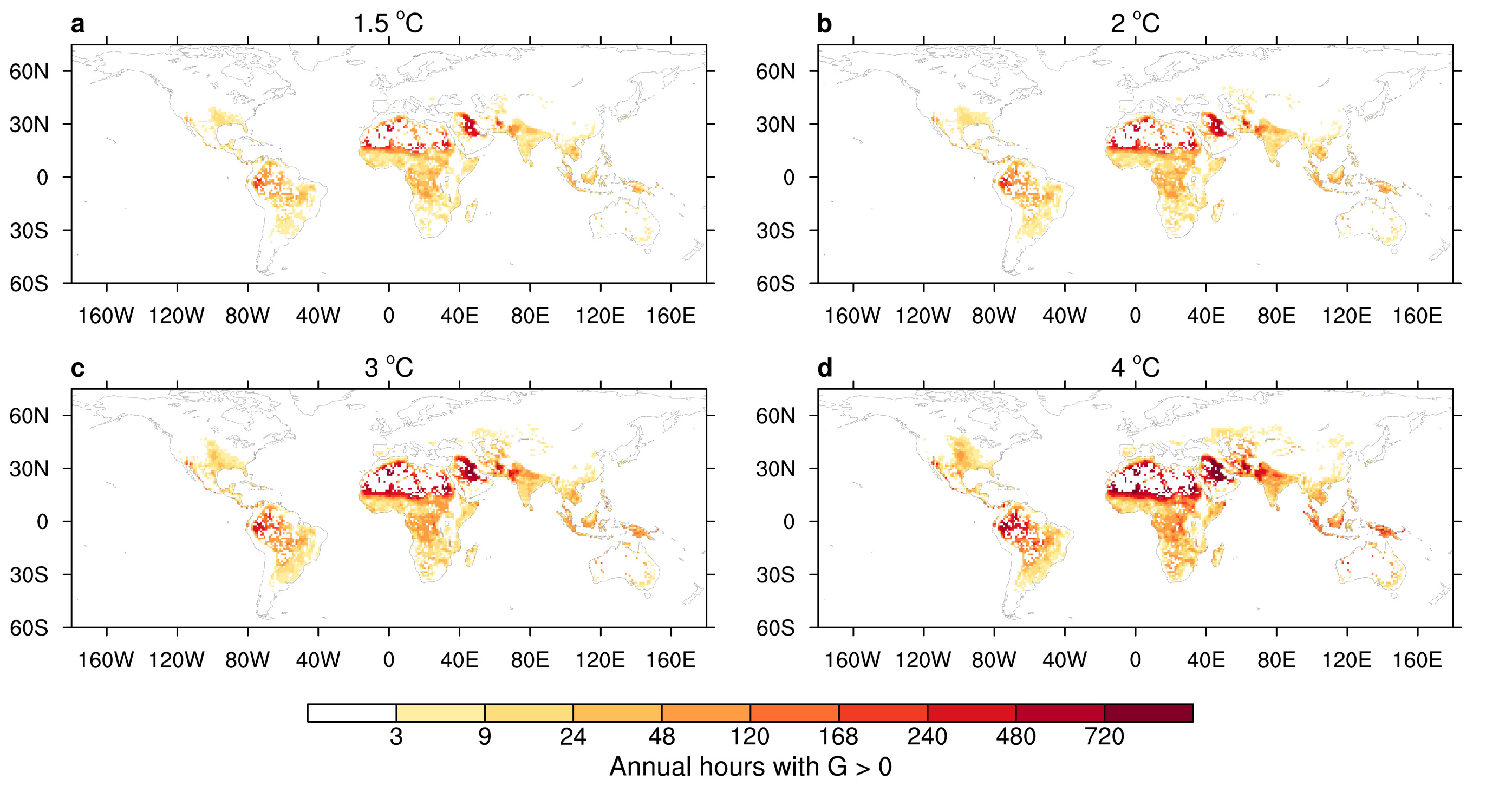
The study further suggests that people exposed to extreme heat stress may need to shift outdoor activities to night or early morning, with social, economic, and safety consequences.
“Our model bridges climate research and physiology, allowing more accurate assessment of heat-stress health risks under a range of climate conditions.”